Where My Research Currently Stands
This week centred on presenting my research topic, “The Role of Sound in New Media and Interactive Art.”
The presentation allowed me to articulate the conceptual and technical foundations of my project while positioning
it within broader media arts and design contexts. My main argument was that sound, often treated as a secondary or supporting
element, has the capacity to function as a core interface within interactive experiences.
During the class presentation, I outlined how sound differs from visual media in its spatial and emotional properties.
While visuals are bounded by frames and screens, sound is unbounded and immersive, capable of surrounding and shaping perception.
This characteristic enables sound to transform an audience from passive observers into active participants.
Presentation
I structured my presentation around several key ideas:
(i) Defining Interactive Art
Interactive art, as I explained, is defined by participation. A work only becomes complete through audience
engagement. Sound is central to this interaction, guiding emotional and sensory experience. Yet, it is frequently underestimated in design.
(ii) Why Sound?
Sound is a spatial, temporal, and emotional force. It constructs atmosphere, affects behaviour, and creates memory. Unlike visuals
that rely on boundaries, sound expands into invisible space. My interest lies in exploring this quality — how sound can be designed as an
interface that reacts to audience input through touch, breath, or movement.
(iii) Dimensions of Sound and Tangibility
I introduced the notion of sound as tangible form, referencing Hiroshi Ishii’s ideas on Tangible User Interfaces (TUI).
Just as Ishii argues for giving digital data a physical presence, I proposed the concept of a Sonic TUI — an interface where sound responds
to interaction in real time, allowing users to engage with it as if it were a physical material.
(iii) Case Studies and Literature
I supported my concept with examples and readings that examine sound’s emotional and interactive role:
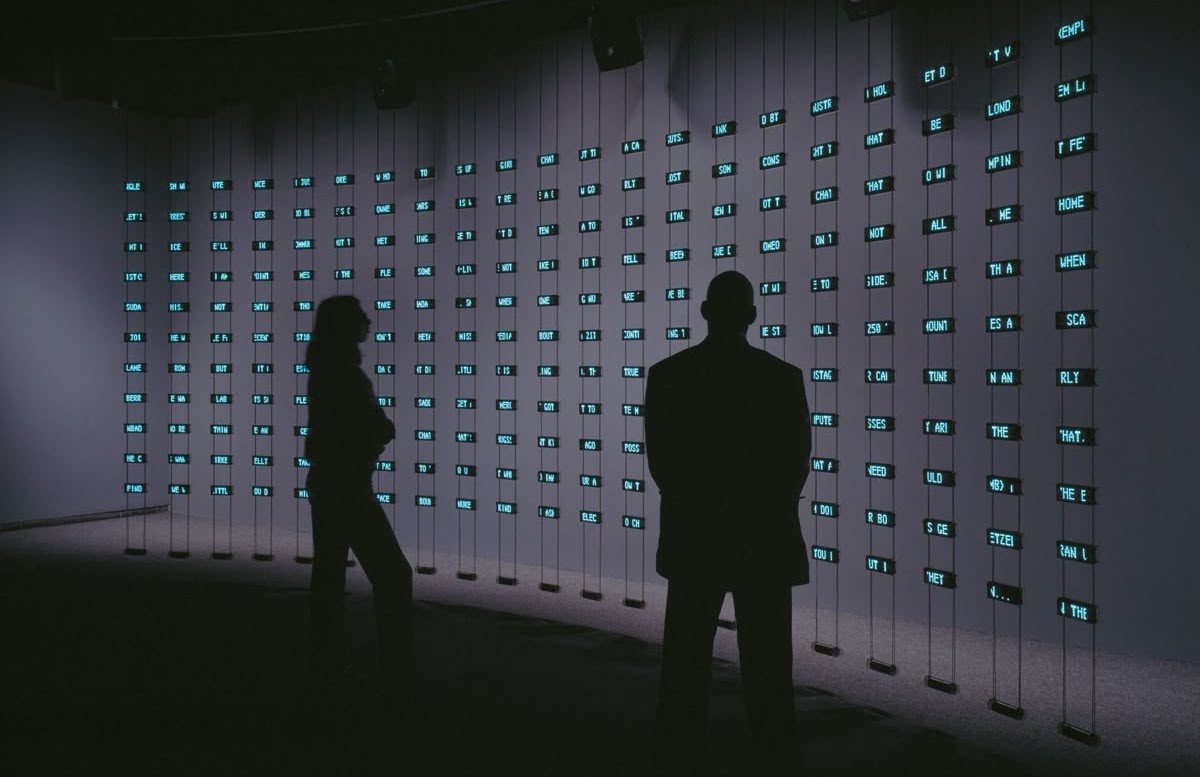
The Listening Post by Mark Hansen and Ben Rubin. An installations that visualise and sonify data. 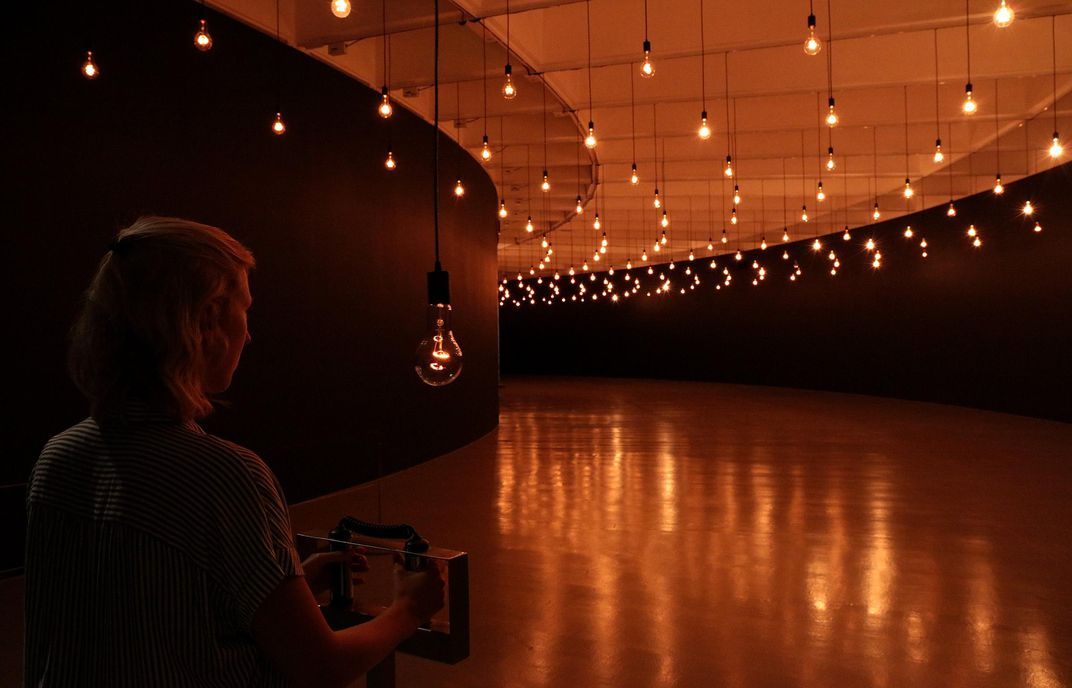
Pulse Room by Rafael Lozano-Hemmer. Links bodily rhythm and sonic environment. 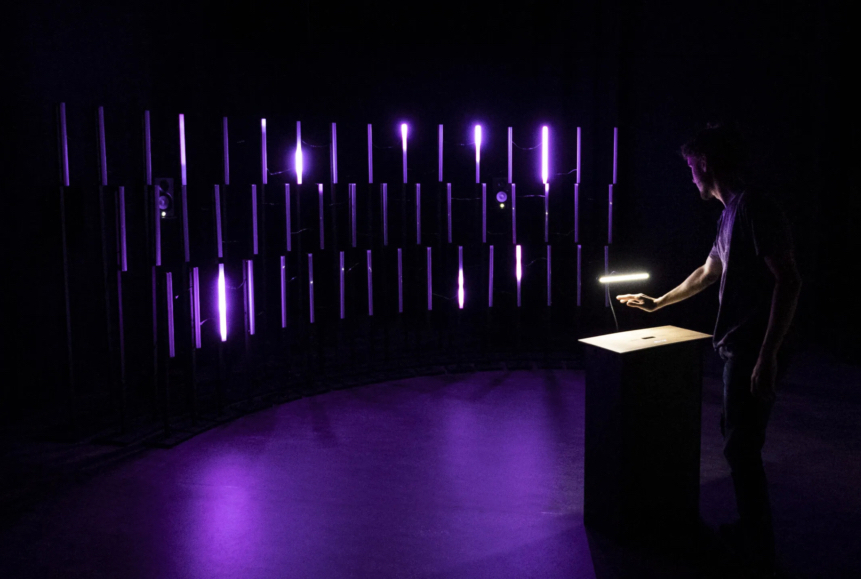
Orcha - 103 by Students. Invites participants to become conductors of an interactive orchestra. 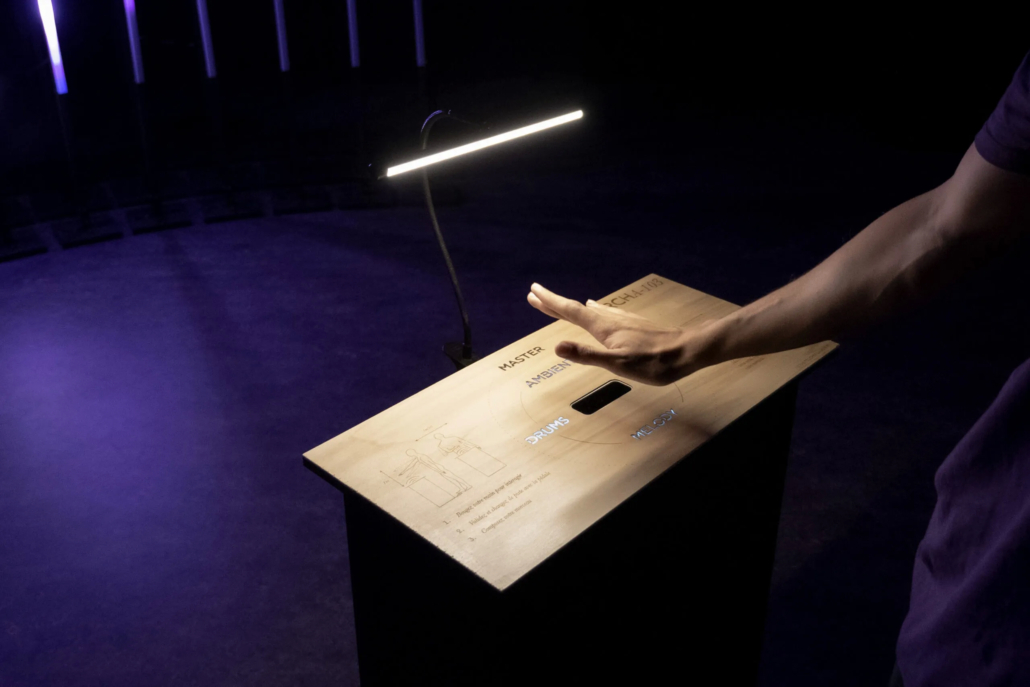
The mechanics that uses motion to control the sound.
Through these works, I demonstrated how sound acts not only as background or aesthetic detail but as an active system of communication and response.
Readings:
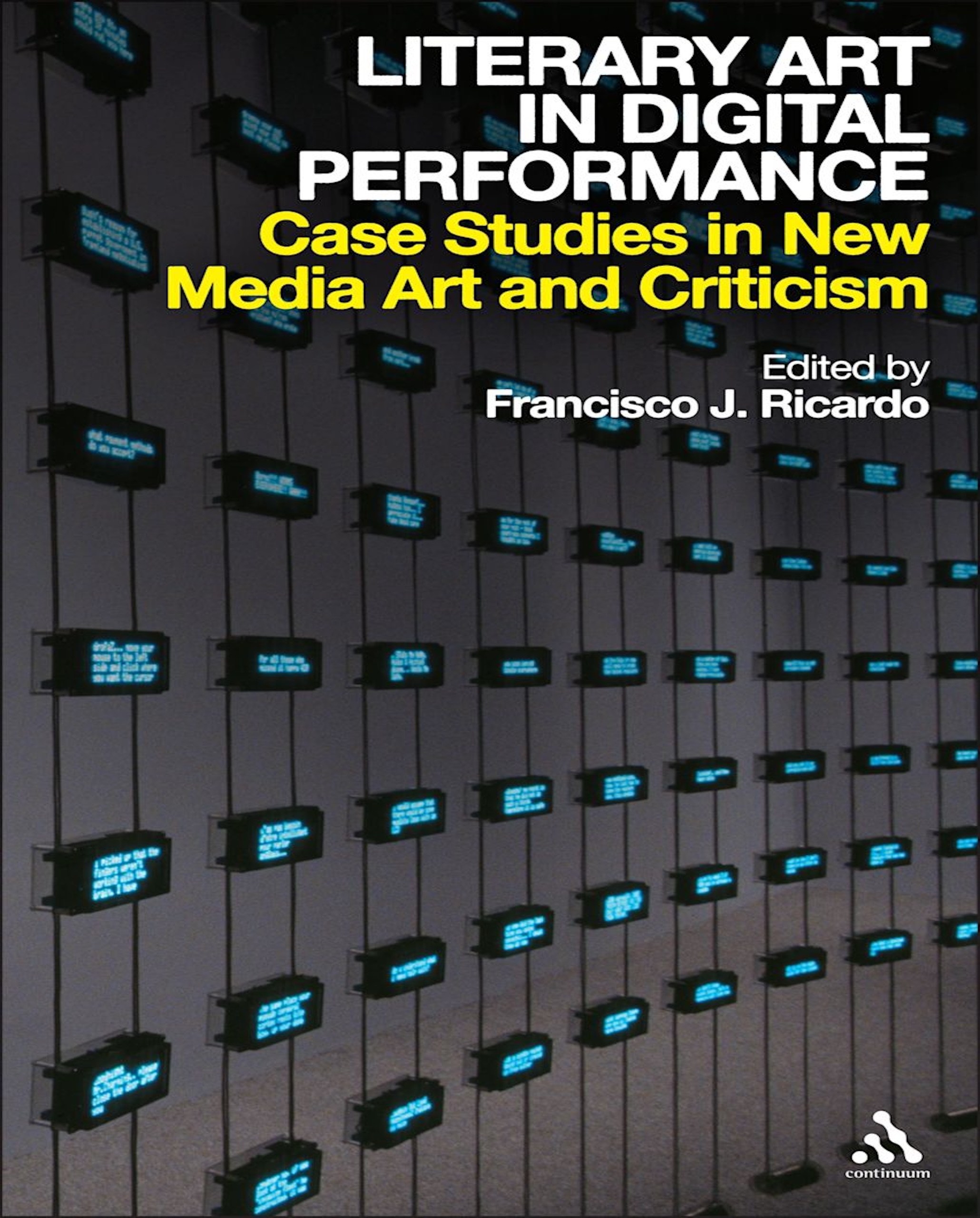
Literary Art In Digital Performance: Case Studies in New Media Art and Criticism- Francisco J .Ricardo
Explores
how literature, art, and performance intersect within the context of new media. Talks about interactivity, multimedia hybrid, and the shift
from fixed artworks to dynamic portrays interactive art as a field where traditional forms
are reconfigured through digital technologies, and sound can be understood as one of these reconfigurations.
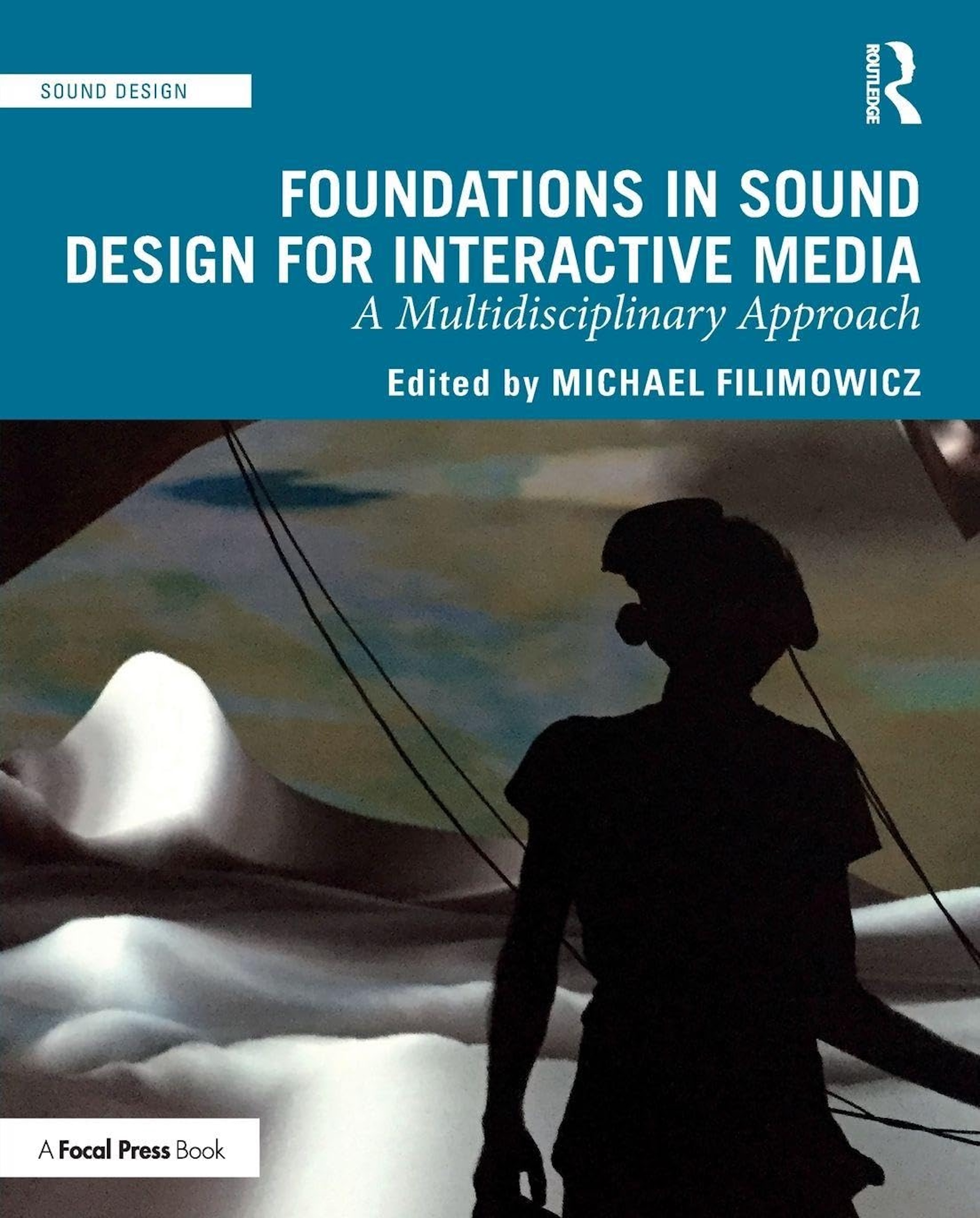
Foundations in Sound Design for Interactive Media- Michael Filimowicz
Overview of how sound functions within interactive contexts, including video games, installations, and media art.
Principles of sound design, technical workflows, and aesthetic strategies for creating interactive sonic environments. focuses on how sound
mediates user experience, guiding attention, shaping emotion, and constructing immersion.
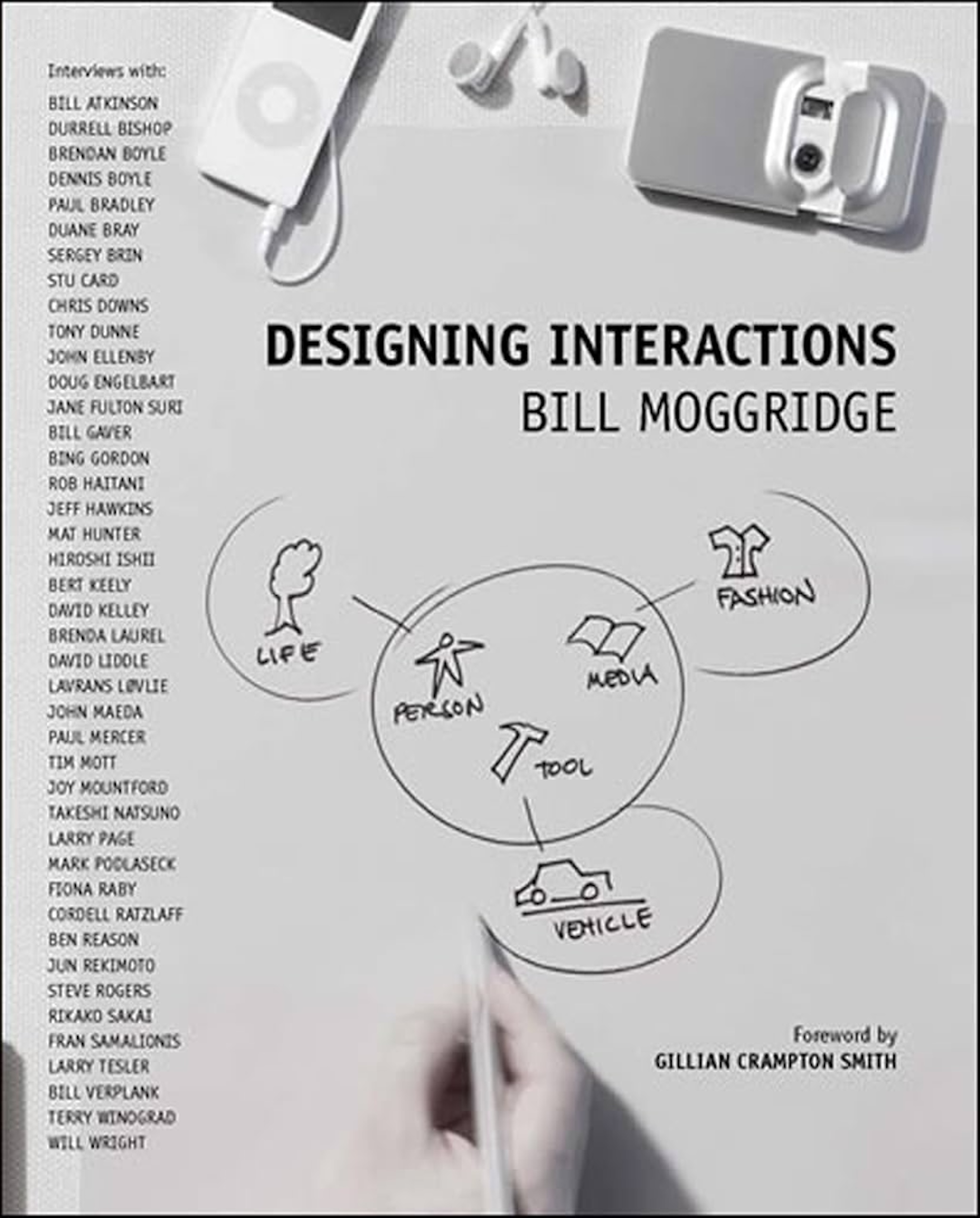
Designing Interactions- Bill Moggridge
documents the history and principles of designing for interactive technologies.
interviews with leading designers and case studies of early innovations in human-computer interaction. highlights how interaction is shaped by design
thinking, and user-centered approaches. helping frame how audiences engage with interactive artworks and how sound might function as a “designed” interface.
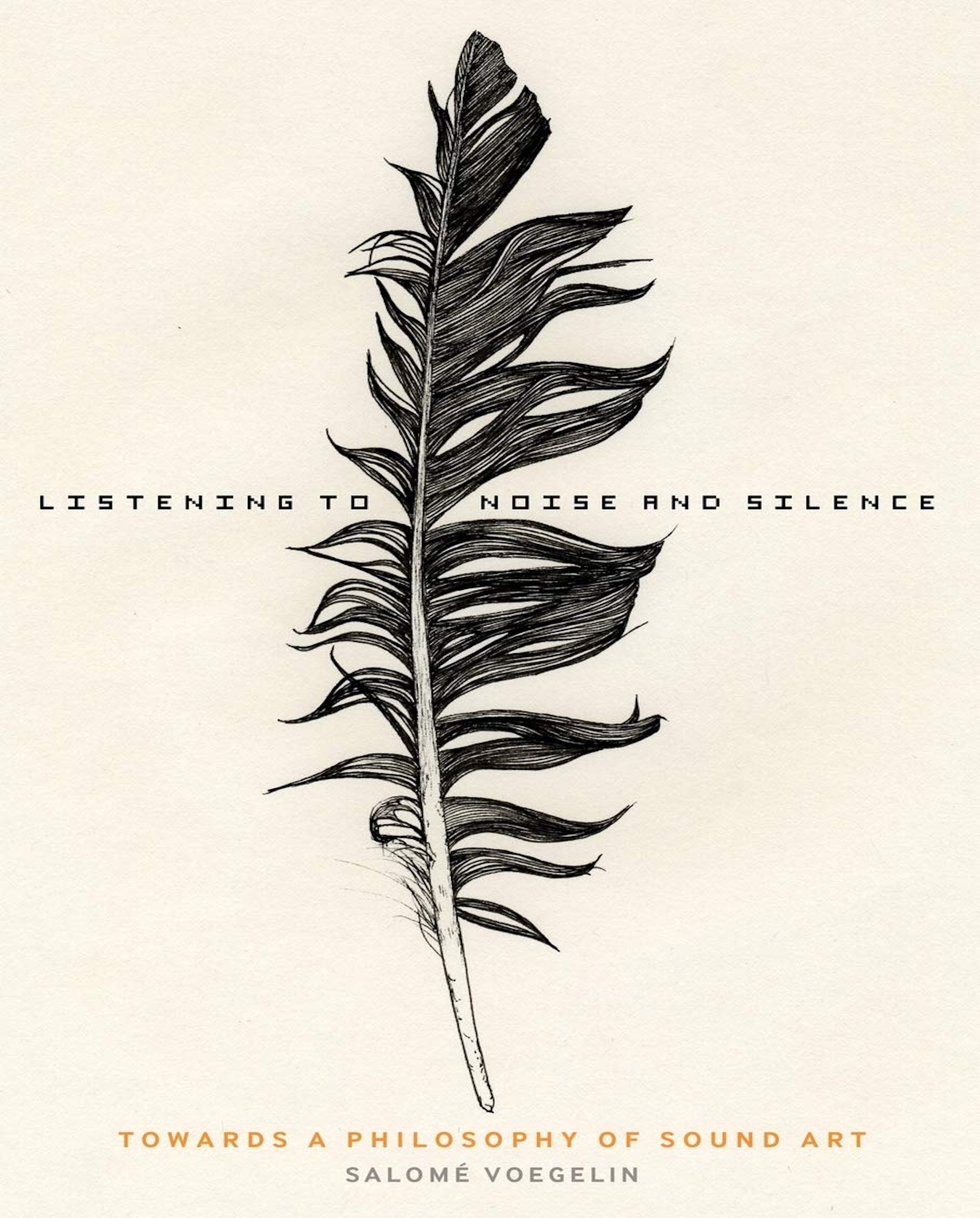
Listening to Noise and Silence- Salomé Voegelin
sound as short lived, relational, and subjective. Unlike visual
perception, listening is temporal and situational, always dependent on the listener’s body and context. argues that sound art emphasizes experience,
presence, and becoming grounding for understanding sound in interactive art as an embodied and participatory act rather than a fixed aesthetic object.
Feedback Summary
The feedback from Andreas and my peers was both supportive and thought-provoking. The main comments highlighted:
The conceptual strength of my idea of “not being bound by the frame.
Recognition that my precedents are mostly installation-based, which could be limiting (feasibility and space).
Encouragement to develop smaller-scale prototypes that retain conceptual depth without relying on large physical installations.
Affirmation that risk is acceptable as long as it is conscious and intentional.
Andreas raised an important conceptual question:
“To you, is sound wave or particle?”
This question prompted me to reflect on sound’s tangibility, whether it can truly be “touched” or whether it exists as an expanding, invisible presence.
It encouraged me to think about sound as both a physical phenomenon and an experiential one, blurring the line between material and immaterial.
Reflection on Tangibility and Interaction
The idea of tangibility has since become a central focus in my thinking. Sound cannot be grasped in a conventional sense,
yet it occupies space, exerts pressure, and evokes emotion. It interacts with the body through vibration and resonance,
creating a form of non-visual contact.
This raised further questions:
Can listening be understood as a tactile experience?
How might I design systems where participants “touch” sound indirectly, through sensors, motion, or feedback loops?
What are the boundaries between perceiving, feeling, and interacting when the medium itself is invisible?
This reflection has begun to shape my next steps. Instead of focusing purely on large, immersive installations,
I want to explore smaller, experimental interfaces where sound becomes responsive and performative, perhaps through proximity, or gesture.
References and New Research Directions
Following the feedback, I was encouraged to explore artists, instruments, and conferences that address sound and interaction from experimental perspectives. Recommended references included:
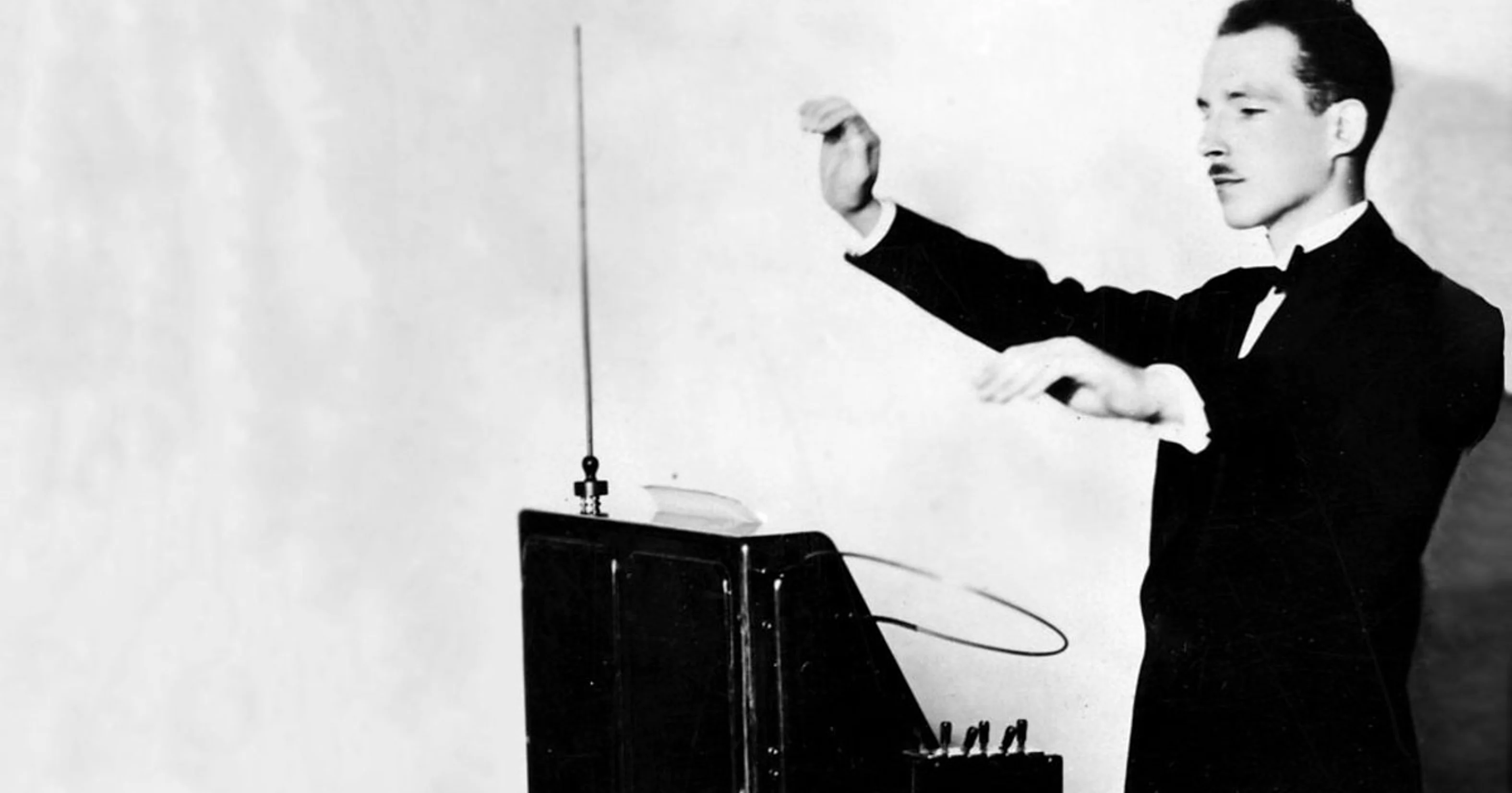
(i) Leon Theremin – for his early exploration of non-contact musical interaction, where gestures manipulate electromagnetic fields to generate sound.
(ii) NIME (New Interfaces for Musical Expression) – for research on experimental instruments and performative sound systems.
(iii) SIGGRAPH – for its interdisciplinary approach combining art, computation, and interactivity.
Exploring these sources will help me ground my project within a larger academic and artistic community while identifying potential precedents for small-scale yet conceptually rich sonic interfaces.
Moving Forward
After this week’s presentation, I aim to:
Reframe my research around sound’s tangibility and its ability to be felt, not just heard.
Explore gesture-based and sensor-based interaction, inspired by the Theremin and interactive instruments.
Develop smaller, prototype-based experiments that test sound’s responsiveness to physical or emotional data.
Continue refining my theoretical grounding in sound studies and participatory media.
This week was an impotant shift from conceptual exploration toward actionable research. The feedback encouraged me to think about how scale,
tangibility, and interaction can intersect meaningfully within my work, and how sound, though invisible, can still define the boundaries of space and experience.