Tracing Back and Rebuilding
A very stressful welcome back from the break. Not technically a break since we were all internsing but
thankfully it was a period of learning and growing and actually understanding how things might be in the real word.
For the first week it was mostly information on how classes will be, how we wil be wokring and other formal matters.
During the break due to internships, I was not able to work on my topic as much as I had initially planned. I did
read through some books and learn more on some existing projects but overall not as thorough as I though I would be so it was a
bit stressful to figure out how to go ahead. With a presentation lined up next week, I decided to divide my work and search for clarity.
Initial Inspiration
My research in Sound and Interactive Media Art started in year 1 when I was assigned to research and write about the work "The Movable Type" by Ben Rubin and Mark Hansen. The artwork seemed like a normal intewractive piece of work at first glance (a very interesting and cool one) but what made it more interesting for me was the sound of a typewriter that accompanied the letters as they appeared on the screen. This made me pay more attention to the work and I realised how sound has a very big effect in designing and sometimes we forget to use it to its full potential.
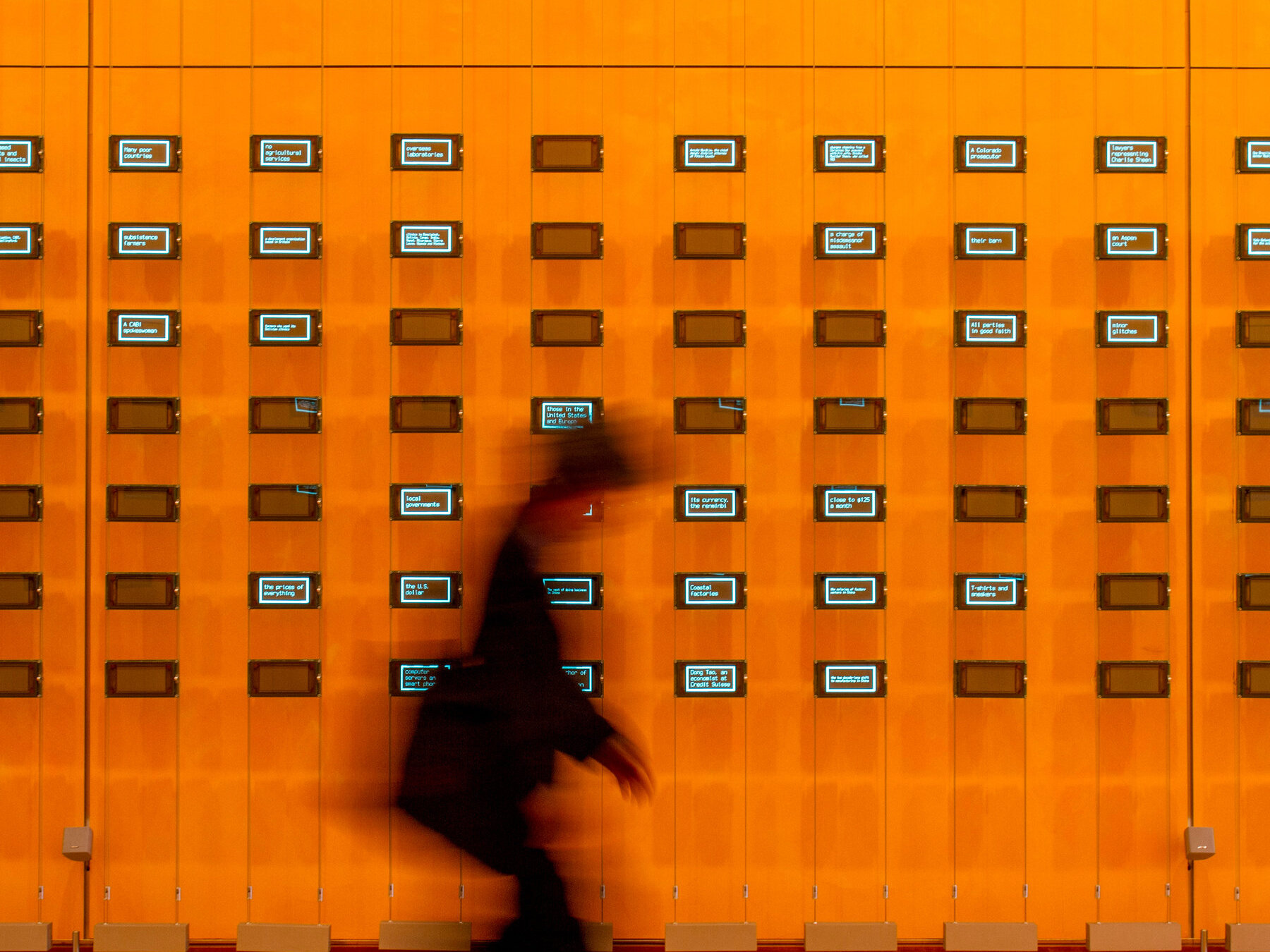
The Movable Type
at The NewYorkTimes Office in NewYork
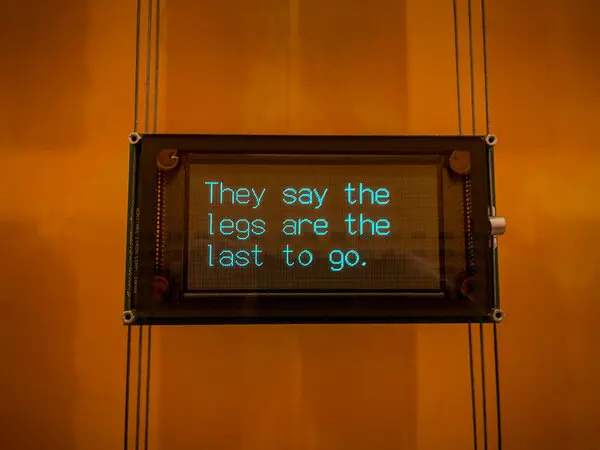
Individual Screens that show the sentences from the archive.
Revisting Research Log
Before beginning this semester, I revisited my previous research log, “The Role of Sound in New Media/Interactive Design.” Rereading
it after a few months gave me the distance I needed to see my ideas more clearly. Both the strengths of my earlier direction and the
spaces where I had been uncertain gave me a clearer idea of where I was at. I had focused then on how sound shapes sensory and psychological
experiences within new media and interactive art. Sound, unlike visuals, doesn’t sit inside a frame. It surrounds, immerses, and guides. But as I
read through my own writing, I started to ask:
(i) What about sound makes it so emotionally powerful?
(ii) Can sound go beyond being atmospheric, can it become a storyteller or performer?
(iii) How can sound interact with data, emotion, or audience presence?
These questions made me realize that I wasn’t just interested in sound as a design element, I was drawn to its potential as a responsive system that communicates, remembers, and reacts.
Reflection on My Own Work
My past experiments using p5.js and TouchDesigner helped me understand sound as something that can physically shape visuals and space. Even simple
visuals looked completely different when they reacted to sound input, it felt like sound was an invisible presence guiding the entire experience.
Works I studied
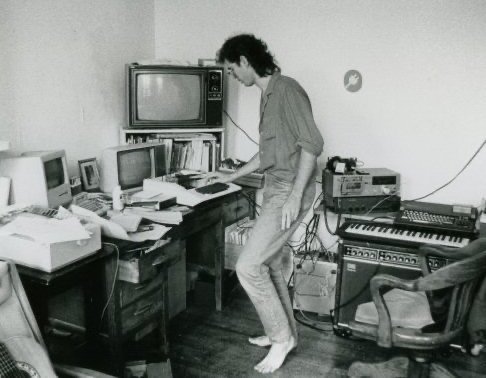
Very Nervous System (David Rokeby)
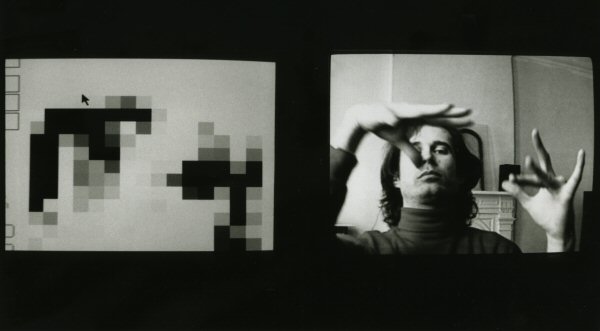
This project reminded me how sound can create emotional engagement without being seen. Rokeby’s work, for instance, showed me how gestures could become sound and how interactivity could turn perception into participation.
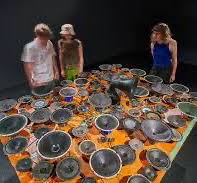
Experiment in F# Minor by Janet Cardiff & George Bures Miller
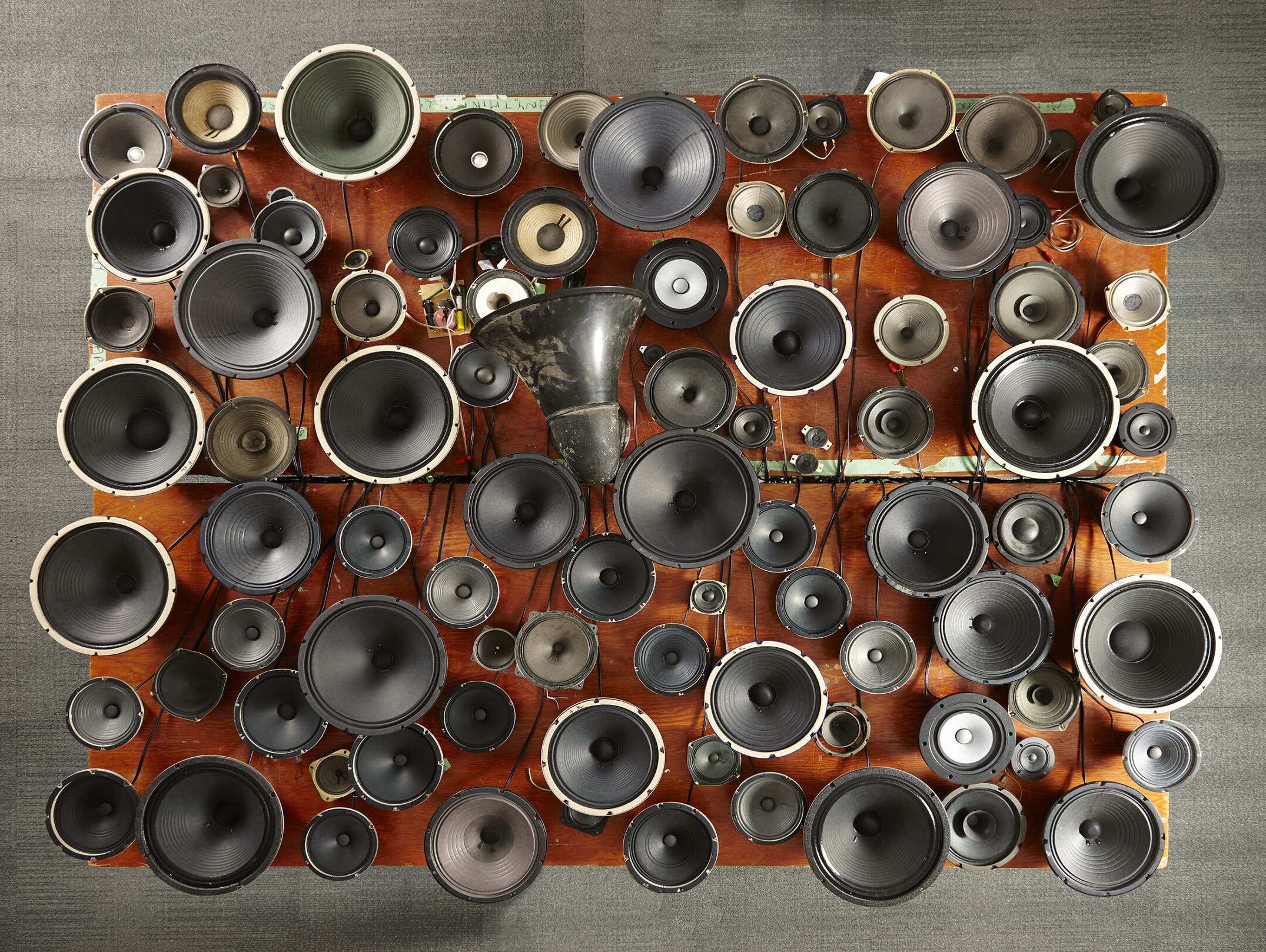
Cardiff and Miller’s installation, on the other hand, made me think about sound as a sensory landscape, one that participants navigate through movement and presence.
These projects still resonate with me, but now I want to expand: What happens if the sound reacts not just to gestures, but to biometric data? What if sound becomes a mirror of emotion? This comparison helped me visualize my shift from understanding sound as a background presence to exploring it as a dynamic force that interacts with users, data, and context. Broader Questions I’m Now Exploring How can sound function as an emotional and participatory system in interactive media? How can we create experiences where audiences co-compose the sounds? How does the absence or decay of sound shape meaning or memory in digital art? These questions open up multiple directions: installation design, sound-reactive interfaces, data-driven storytelling, and even poetic uses of sound and silence.
Readings During Break:
Doing Research in Sound Design, Michael Filimowicz
Filimowicz lays out sound design not as a technical craft but as a researchable, iterative practice.
He breaks down how sound can be studied through listening methods, prototyping, and experiential analysis.
The book emphasises treating sound as a material that interacts with bodies, environments, and technologies
The Sound Studies Reader, Jonathan Sterne
Sterne introduces central ideas like listening as a cultural practice, the politics of sound, and how technologies shape sonic experience.
It’s a broad, conceptual guide that helps situate sound within social, historical, and theoretical frameworks.
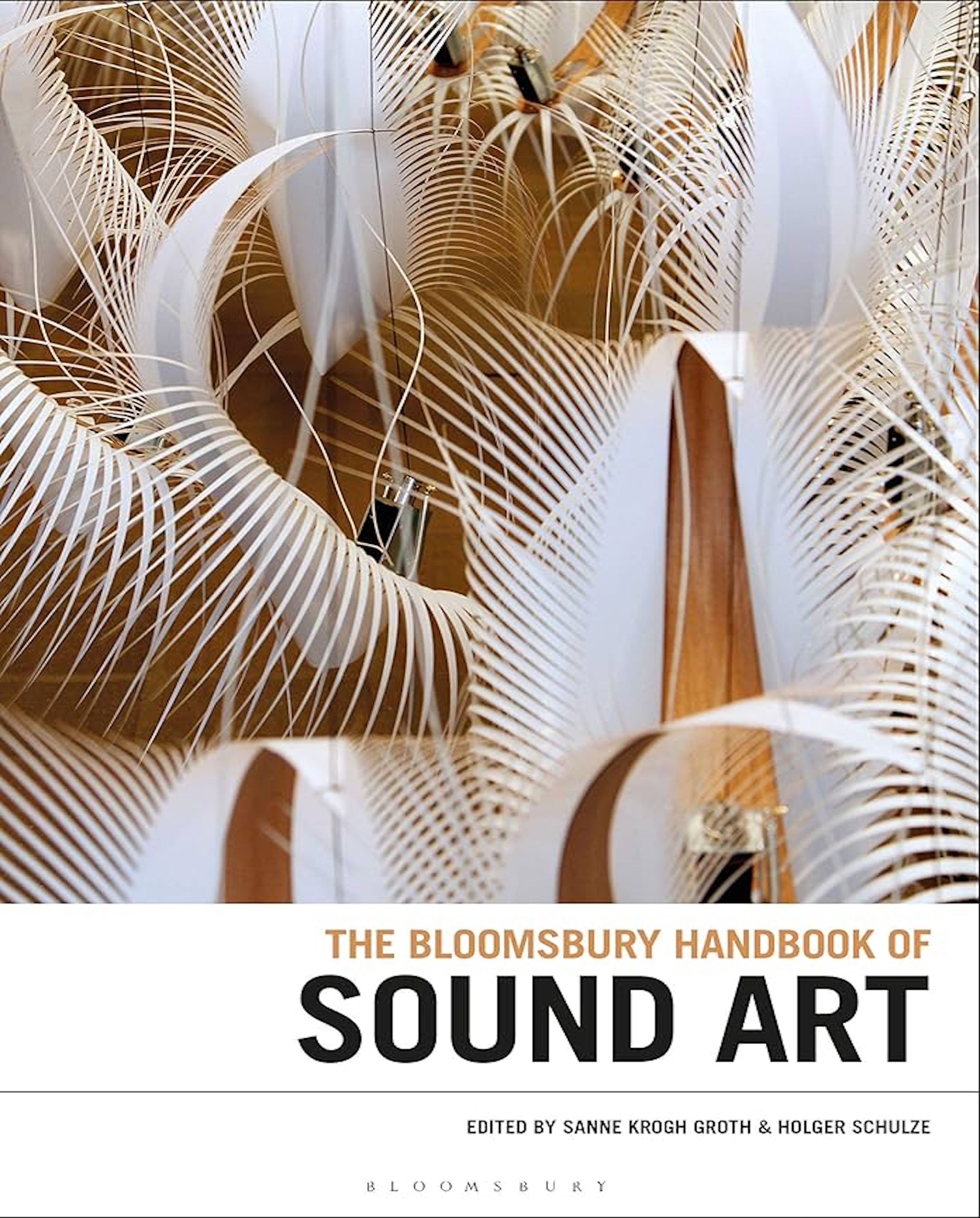
The Bloomsbury Handbook of Sound Art, Groth & Schulze
This explores the field of sound art through essays by artists, theorists, and researchers. It explores how sound operates in
installation, performance, and experimental media, highlighting themes like materiality, embodiment, space, and sensory immersion. It’s especially
relevant for understanding sound as an artistic medium that crosses disciplines and invites multisensory engagement.
Moving Forward
At the end of Week 1, I found myself standing between two ideas: sound as emotion and sound as system. Instead of choosing one, I want to explore how they can overlap My plan for the next weeks: Revisit my p5.js sketches and connect them to Arduino sensors. Experiment with real-time data inputs to make sound reactive and responsive. Explore how the absence of sound or distortion could represent emotional tension Continue reading about participatory and affective sound design, especially in interactive or therapeutic contexts. This process of revisiting has made me realize that confusion isn’t a setback, it’s a productive part of research. My earlier log gave me the foundation; this reflection is helping me evolve it into something more participatory, emotional, and alive.
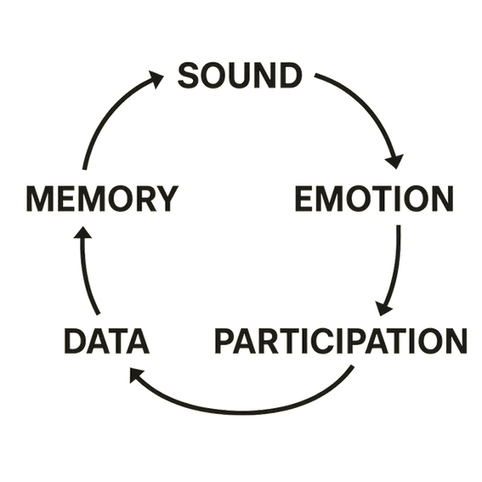
This diagram shows a loop where sound triggers emotion, emotion drives participation, participation generates data, and data forms memory. Each stage feeds back into sound, creating an adaptive, evolving interaction cycle. This was my basic understanding from readings and research in simple words.